IVI RMA logo

Paths to Parenthood

Understanding Fertility

01

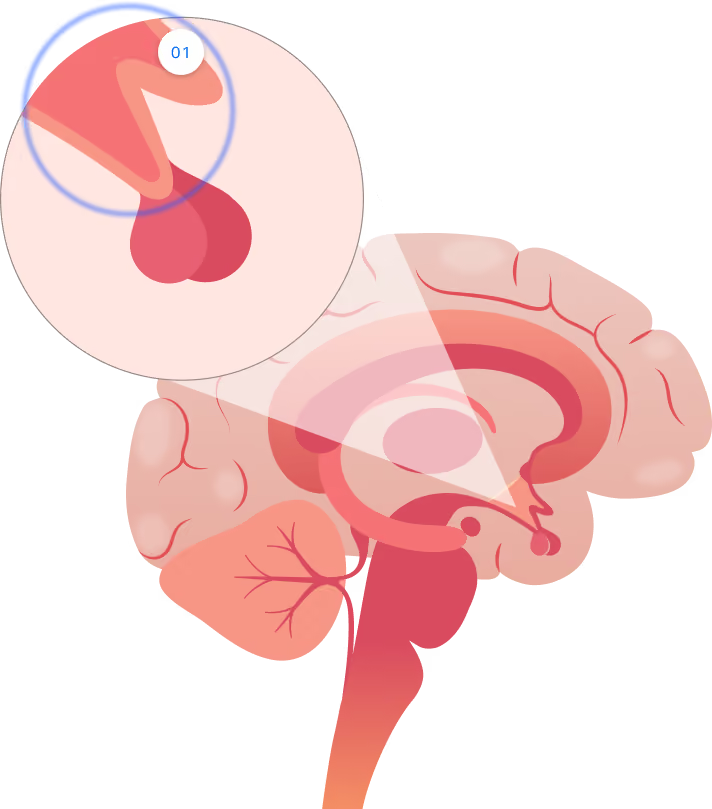
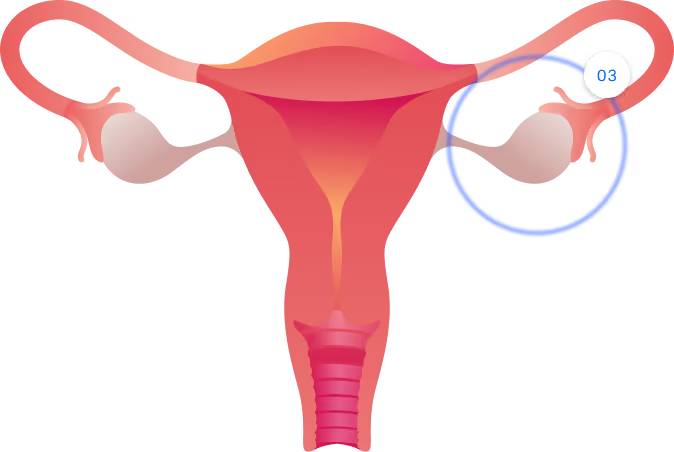
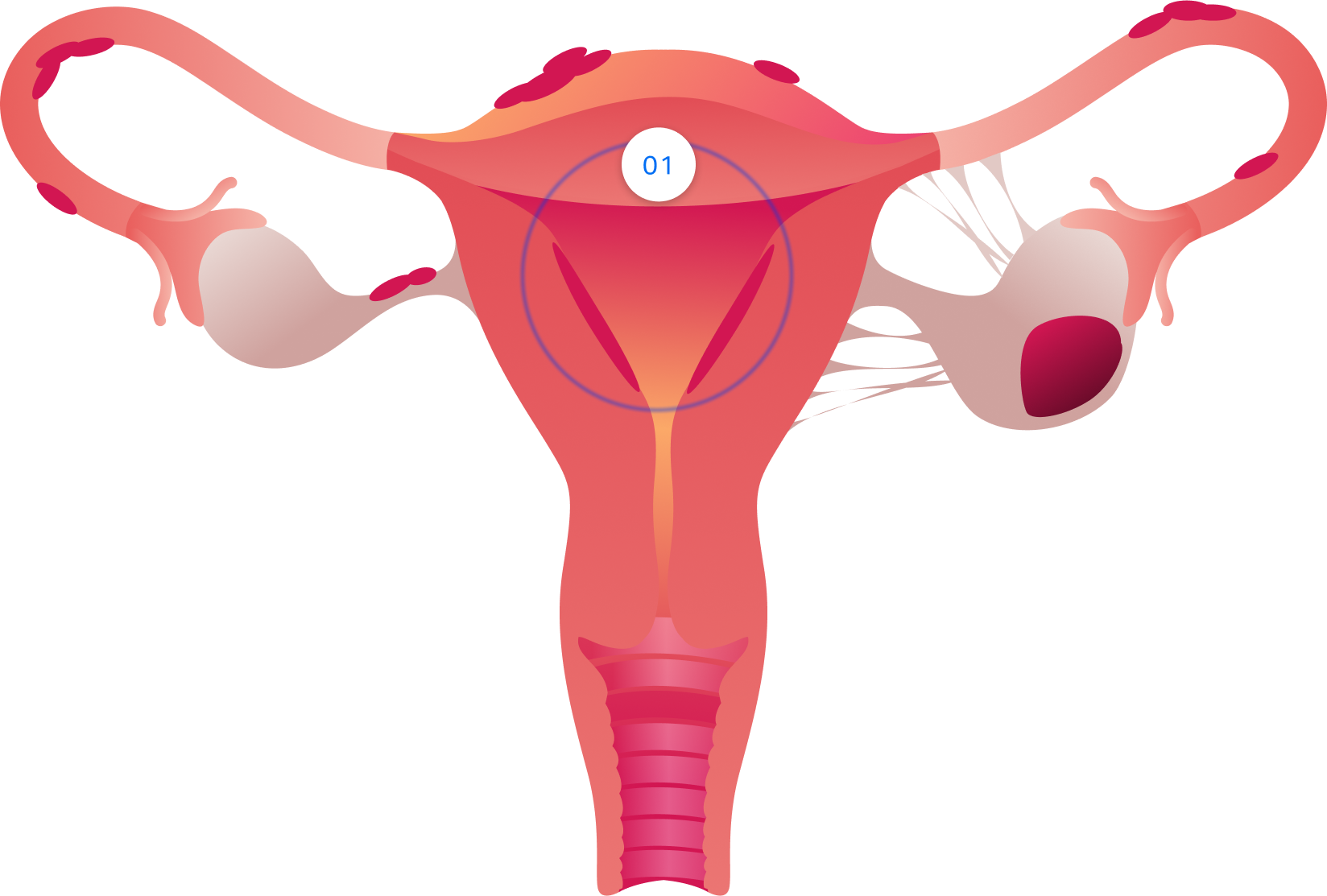
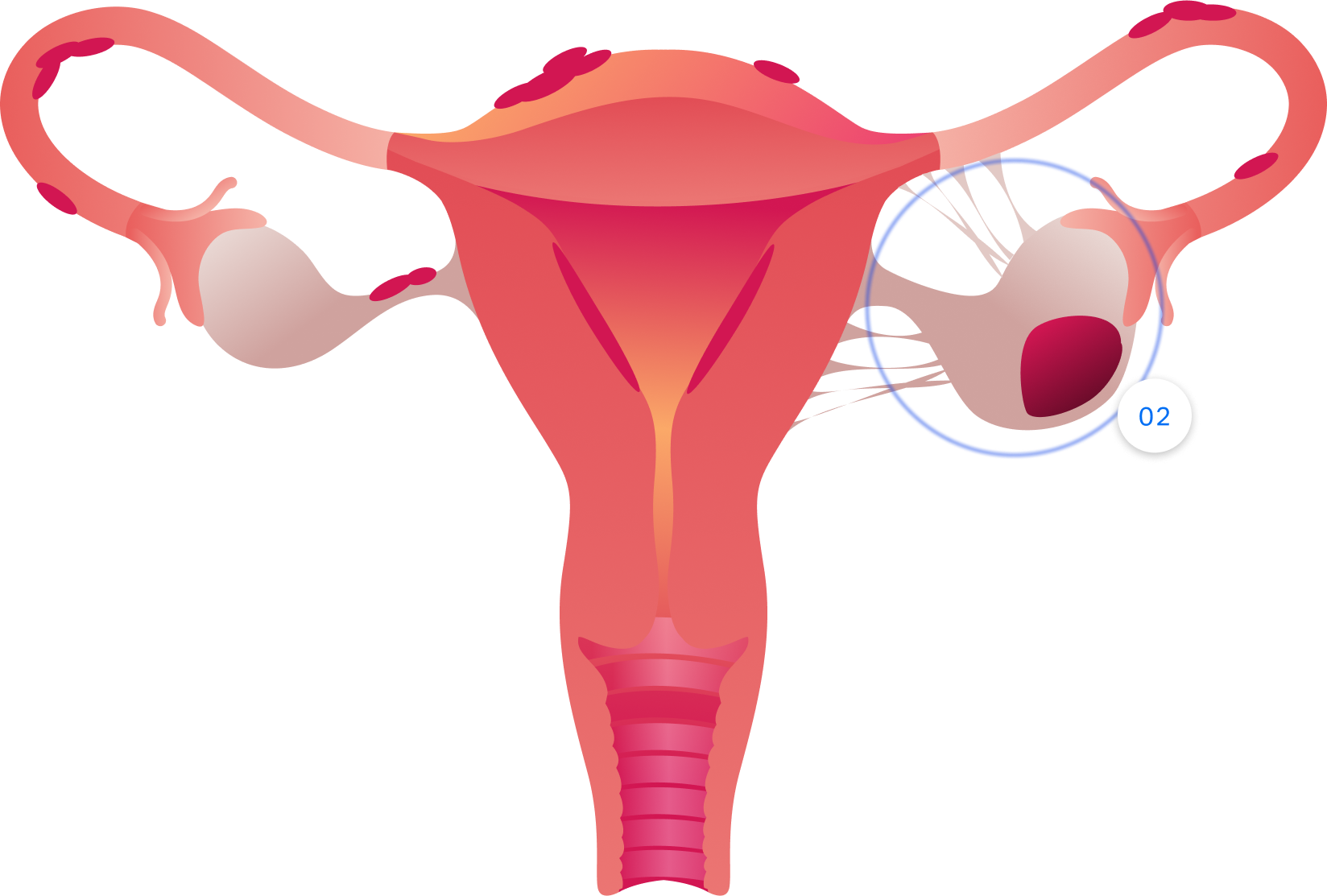
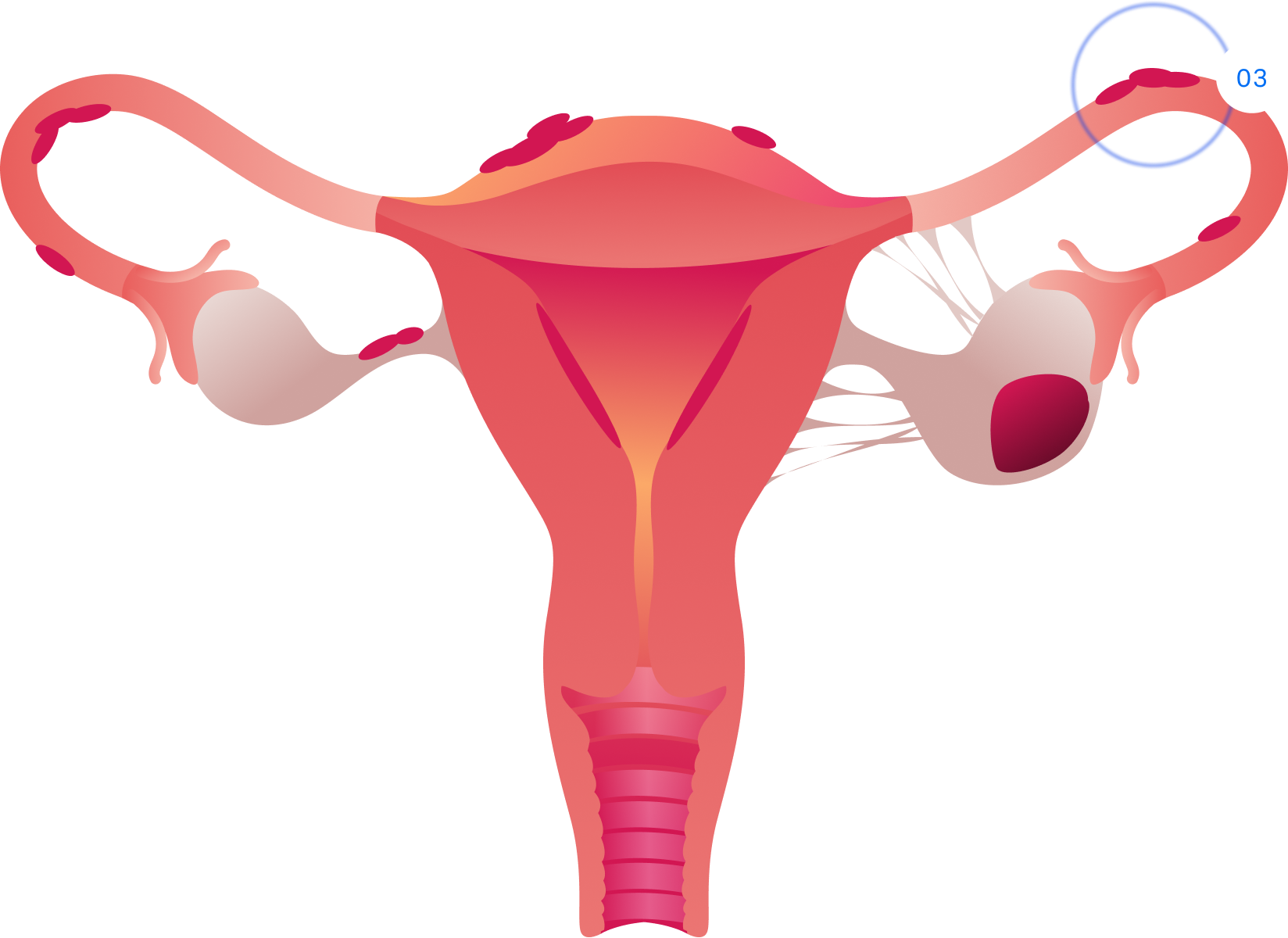
Uterine & Ovarian Anatomy

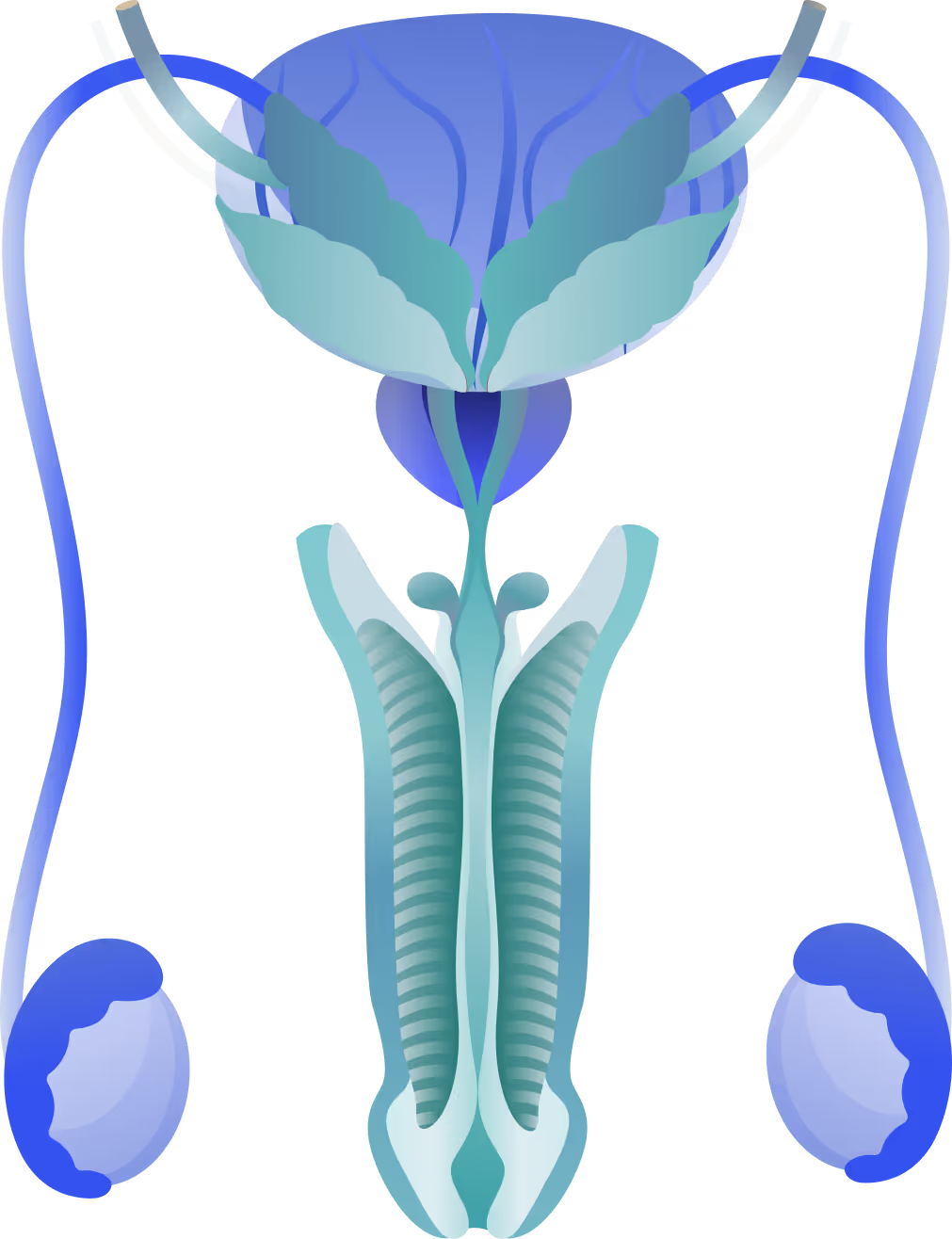
Penile & Testicular Anatomy

Step 01

Hypothalamus

The control center
GnRH

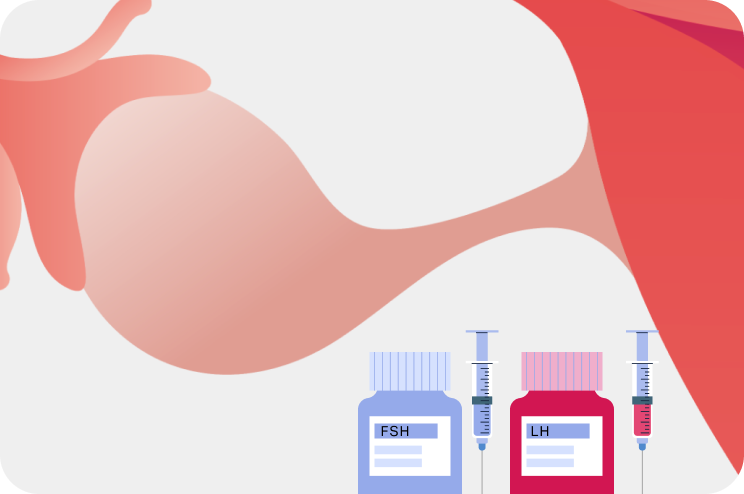
Gonadotropin-Releasing Hormone; released by the hypothalamus to signal the pituitary gland to produce FSH and LH.

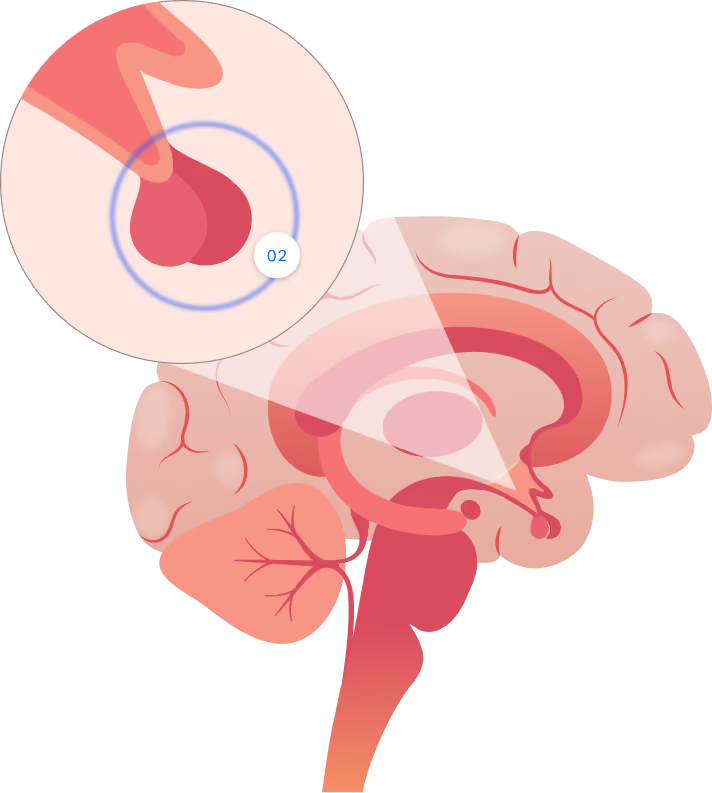
Step 02

Pituitary gland

The messenger
FSH

Follicle-Stimulating Hormone; produced by the pituitary gland to stimulate the growth and development of ovarian follicles.

LHG

Luteinizing Hormone; produced by the pituitary gland to trigger ovulation (the release of an egg).

Step 03

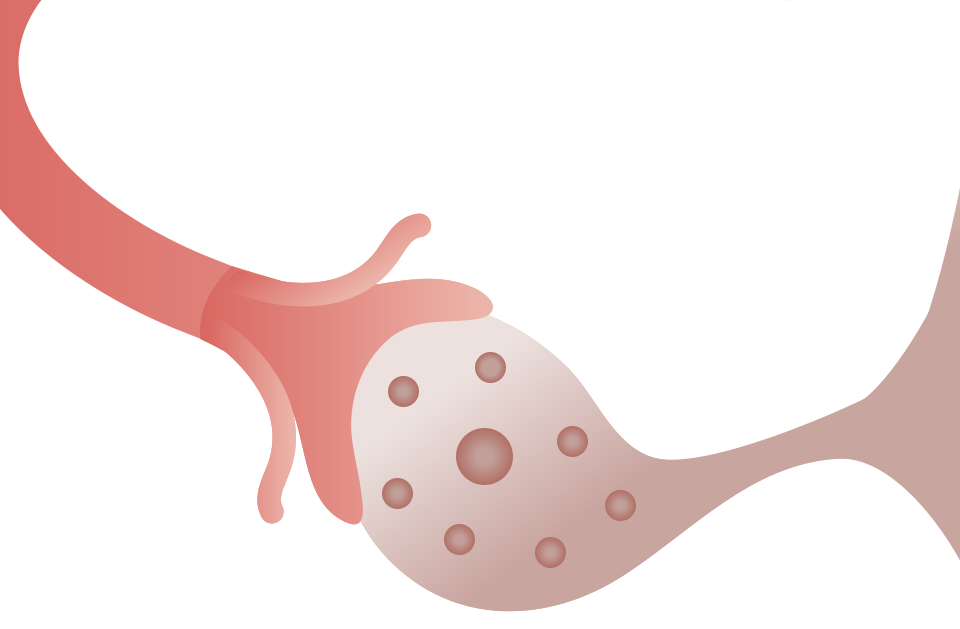
Ovaries

The responder
E2

Estradiol; the primary form of estrogen, produced by growing ovarian follicles and commonly measured to monitor follicle development during a treatment cycle.

P4

Progesterone; produced after ovulation by the corpus luteum to prepare and maintain the uterine lining for implantation and early pregnancy.

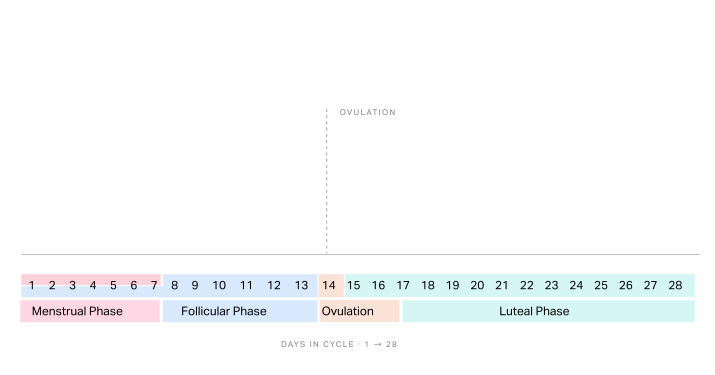
Most people think of the menstrual cycle as just a period. It's a precisely coordinated
hormonal sequence that happens every single month - and it tells us a huge amount.

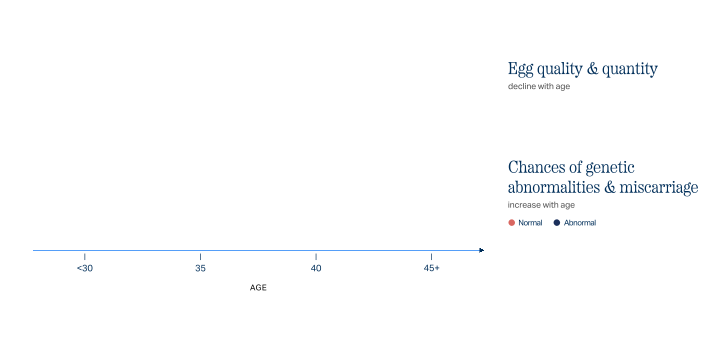
Follicles & Eggs

1/5

individuals need help to conceive

85%

of individuals conceive without help, within 12 months of trying

20%

chance per month for the first 12 months

— Check in —
Before we move on - how are you feeling so far? Any questions about how things work?

Finding the
Cause

02
There are several well-understood factors that can impact chances of conception.
Endometriosis is a condition where tissue similar to the uterine lining grows in places it shouldn't. Over time it can cause inflammation, scarring, and the formation of cysts on the ovaries known as endometriomas.

Formerly known as PCOS

PMOS is one of the most common hormonal disorders where the normal cycle of follicle development and ovulation is disrupted. If ovulation isn't happening regularly, the window for conception is significantly reduced.
Irregular ovulation
Weight gain
Hair thinning or growth
Acne
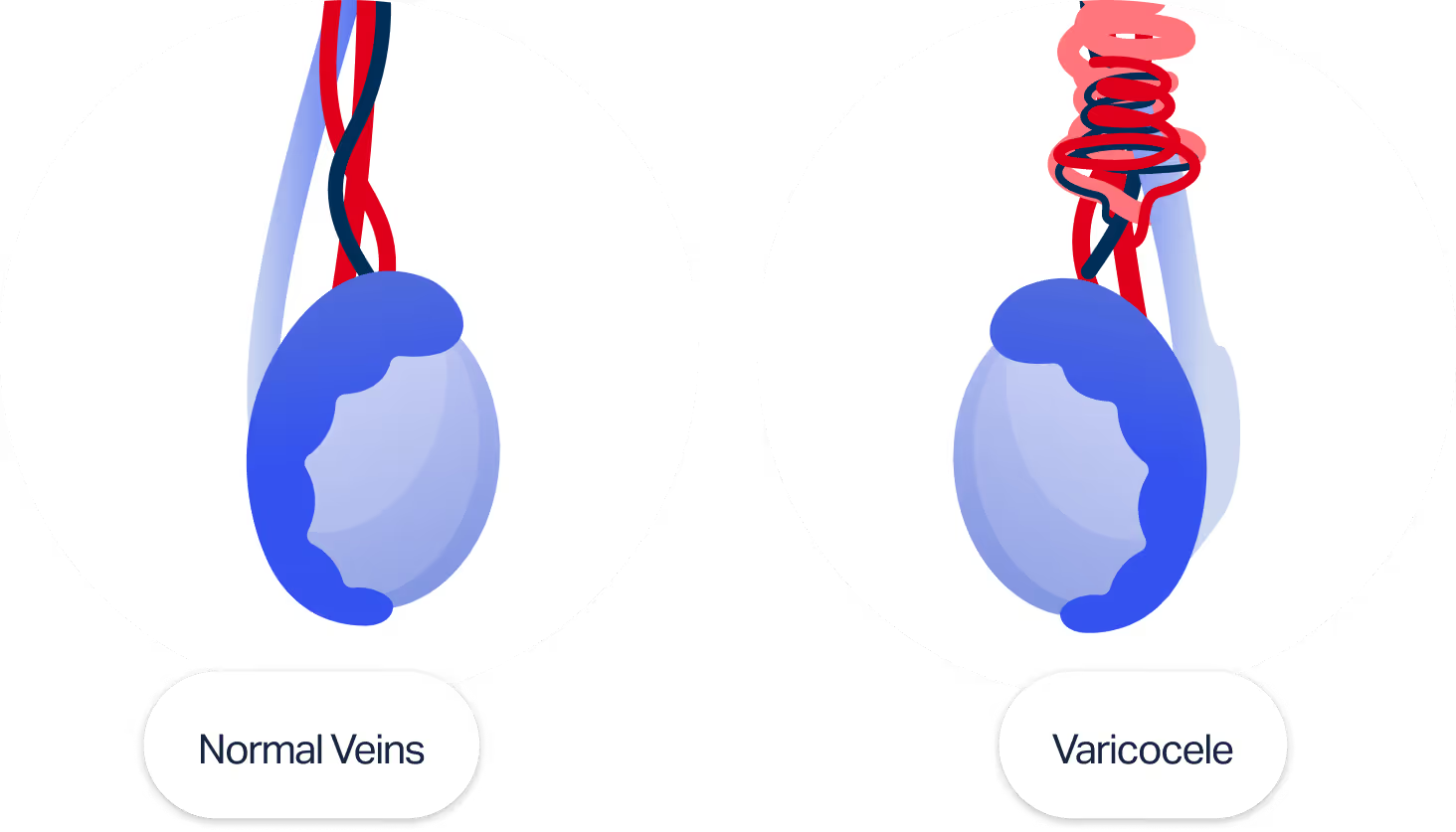
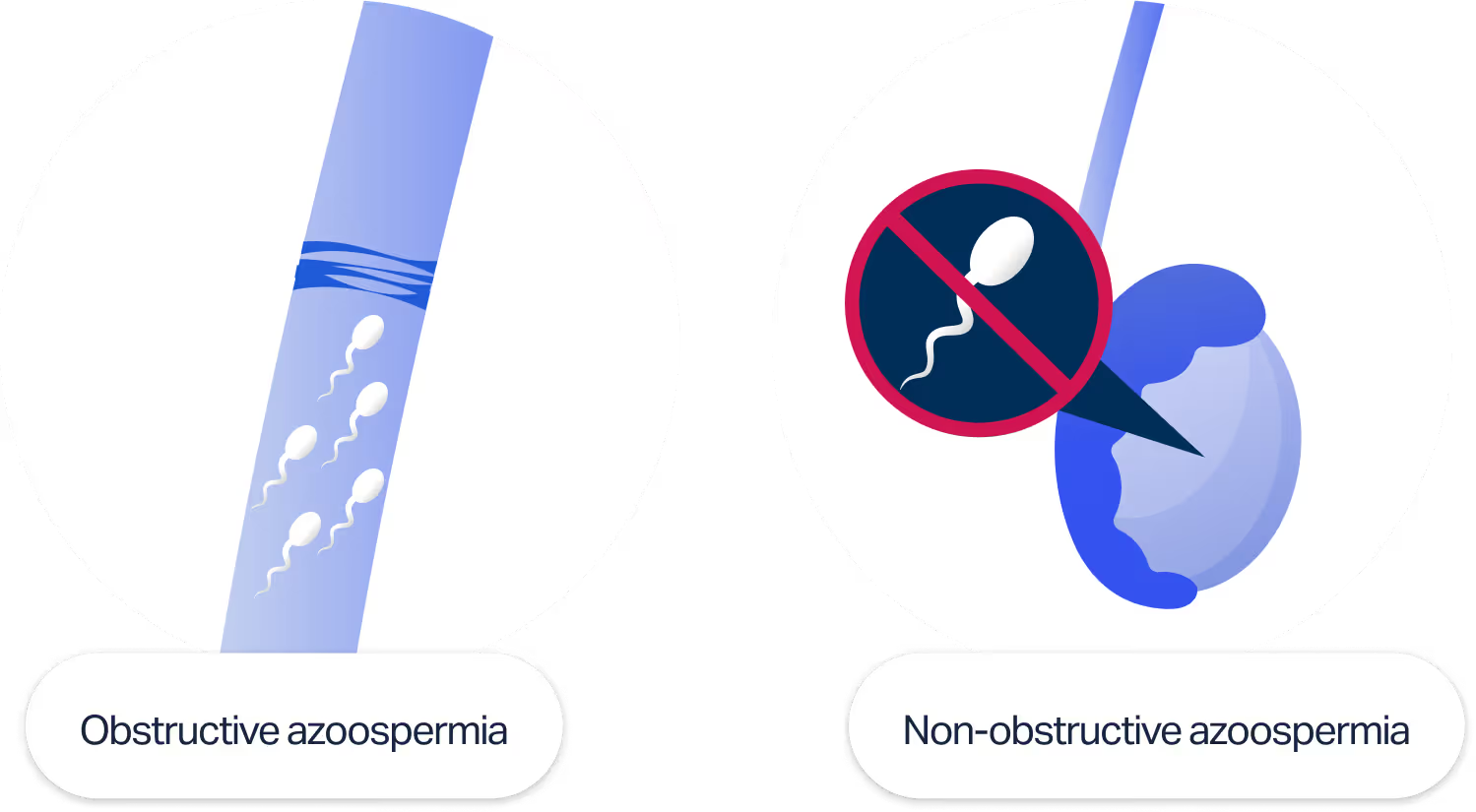
Up to 40% of fertility challenges involve sperm in some way. It's easy to assess the key measures of sperm health, but beneath those numbers there's often a cause: a varicocele quietly affecting production, a hormonal imbalance, or a physical obstruction preventing sperm from reaching where they need to go. Finding the cause is the first step to addressing it.
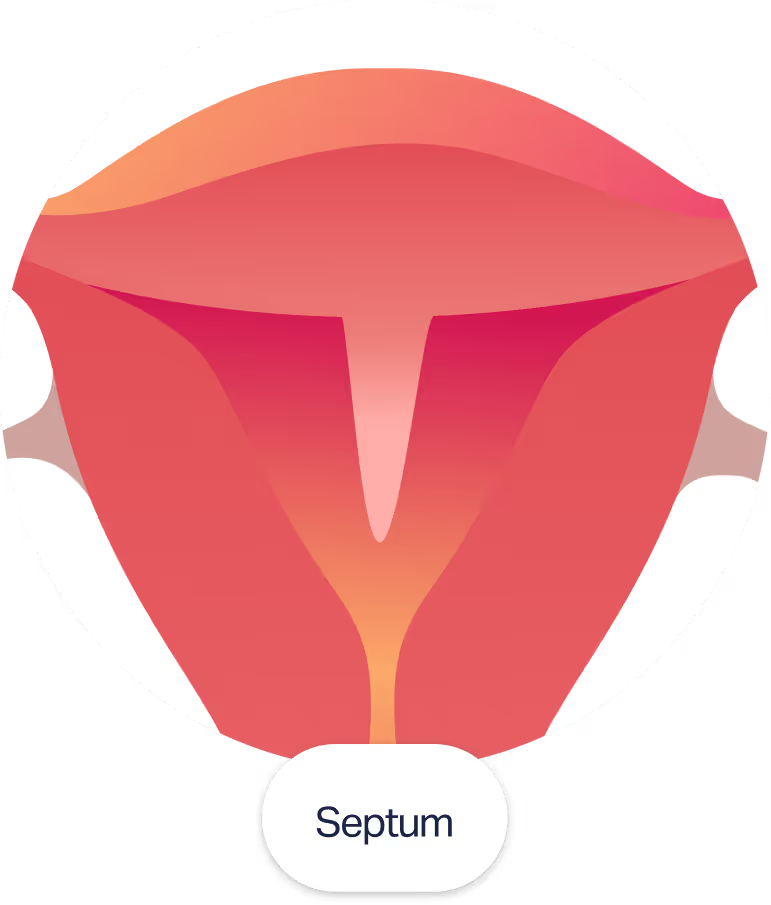
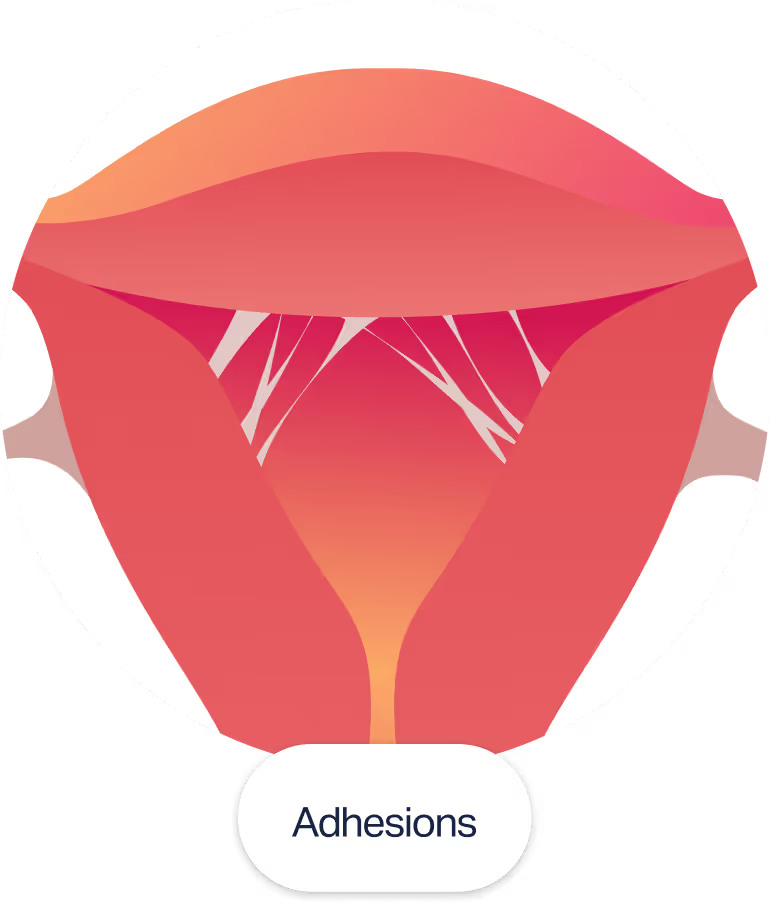
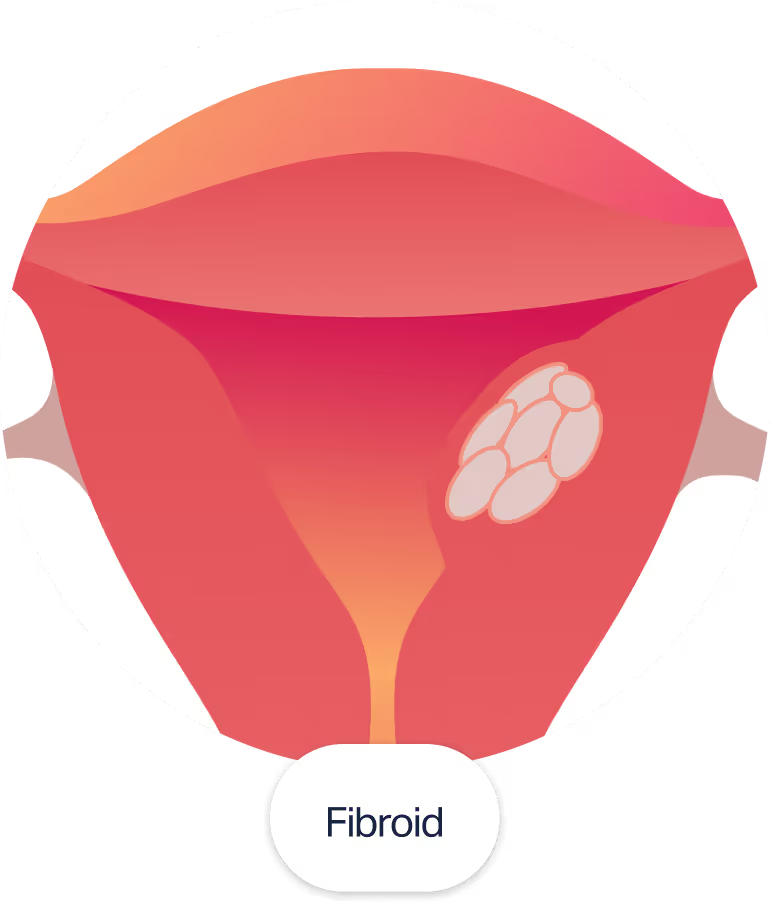
The uterus is where an embryo implants and grows, so its structure and environment matter enormously. Uterine factors are a less common cause of fertility challenges than ovulatory or sperm factors, but they're important to identify early because many are straightforward to treat, and some can affect the outcome of treatment if left unaddressed
Unexplained infertility is diagnosed when all standard investigations return normal results but conception hasn't happened after a defined period of trying. There may be subtle factors in egg quality, fertilization, or implantation that standard testing doesn't capture. We have strong evidence-based protocols that work well even when no single cause is identified.
Diagnostic testing is all about building the clearest possible picture so we can recommend the right support and design a tailored treatment plan. Well guide you through what's relevant for your situation.
We can count the number of antral follicles using a transvaginal ultrasound scan. The number of visible follicles gives us a strong indication of how many eggs are likely to be available in any given month. This helps us to tailor your treatment plan - but similarly to the AMH blood test, it doesn't tell us anything about egg quality.
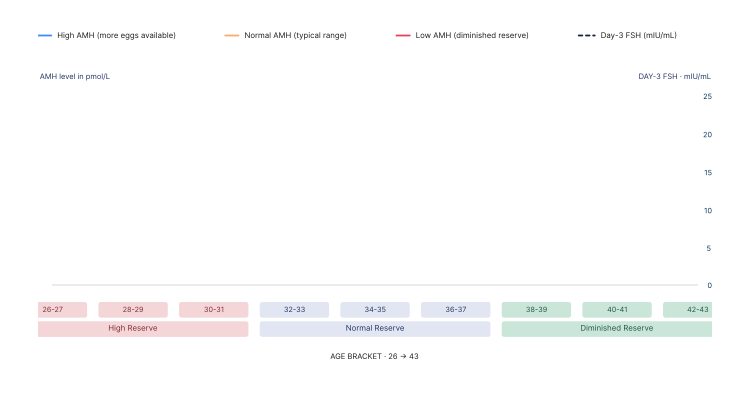
AMH is produced by the small follicles in your ovaries. The more follicles present, the more AMH is released into the bloodstream - so a simple blood test gives us a reliable indication of the remaining egg supply. AMH is indicative of egg quantity only, not quality. Two people with the same AMH level can have very different outcomes. We pair it with a baseline (day-3) FSH - shown as the dashed line on the chart - for a more reliable picture of ovarian reserve.

HSG — checking the tubes & uterine cavity

An HSG is a dye test that shows whether the pathway through the fallopian tube is clear. If the tubes are clear, the dye should flow freely. If the dye is obstructed, there may be a blockage or narrowing that's worth investigating further.

The shape of the uterine cavity is also visible, which can flag structural factors at the same time.

SIS — Saline infused ultrasound

An SIS is a simple, minimally invasive scan where a small amount of sterile saline solution is gently introduced into the uterine cavity. The fluid fills the uterus and separates the uterine walls, allowing us to see the shape of the cavity, texture of the lining and whether anything is present that may impact the recommended course of treatment.
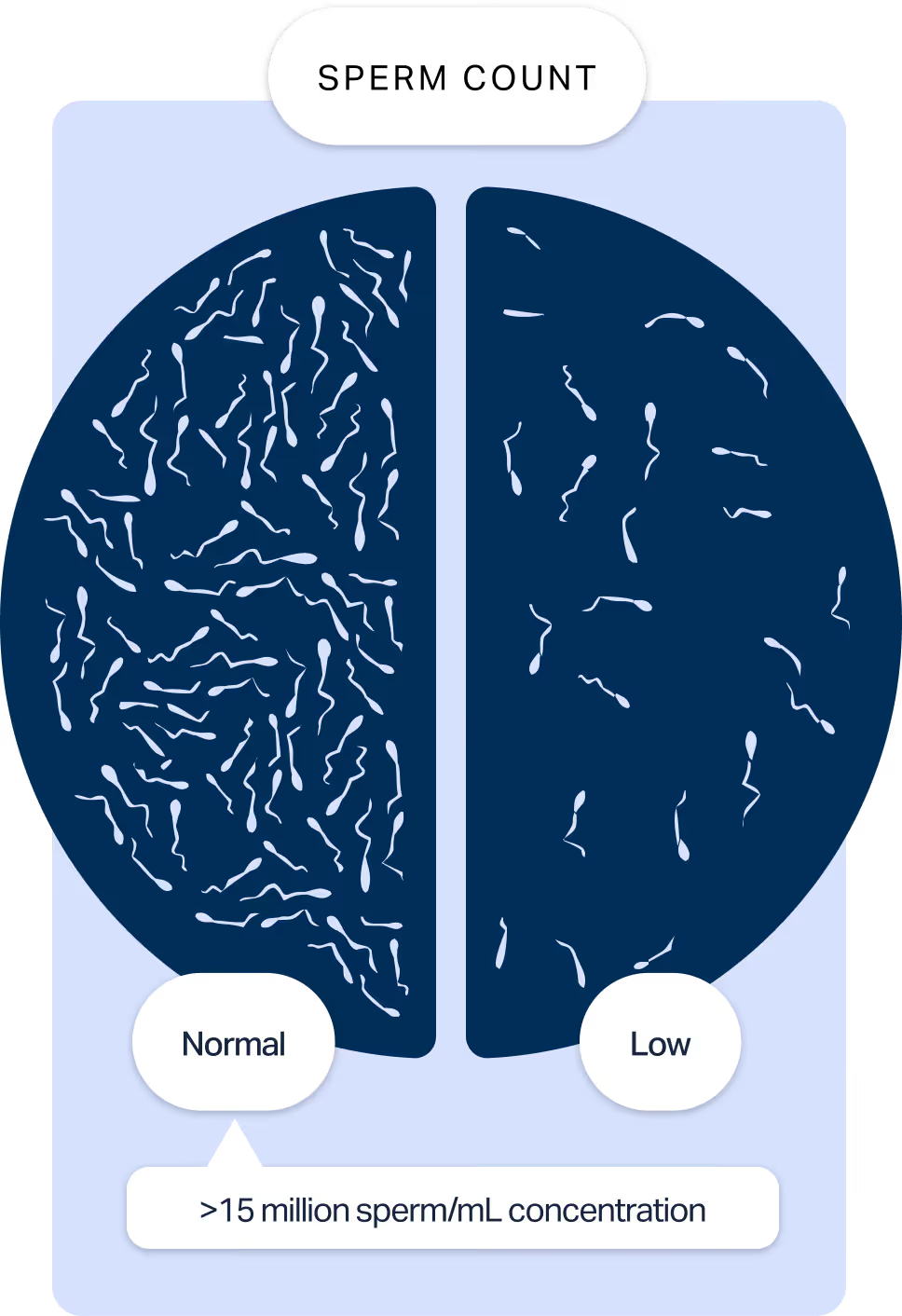
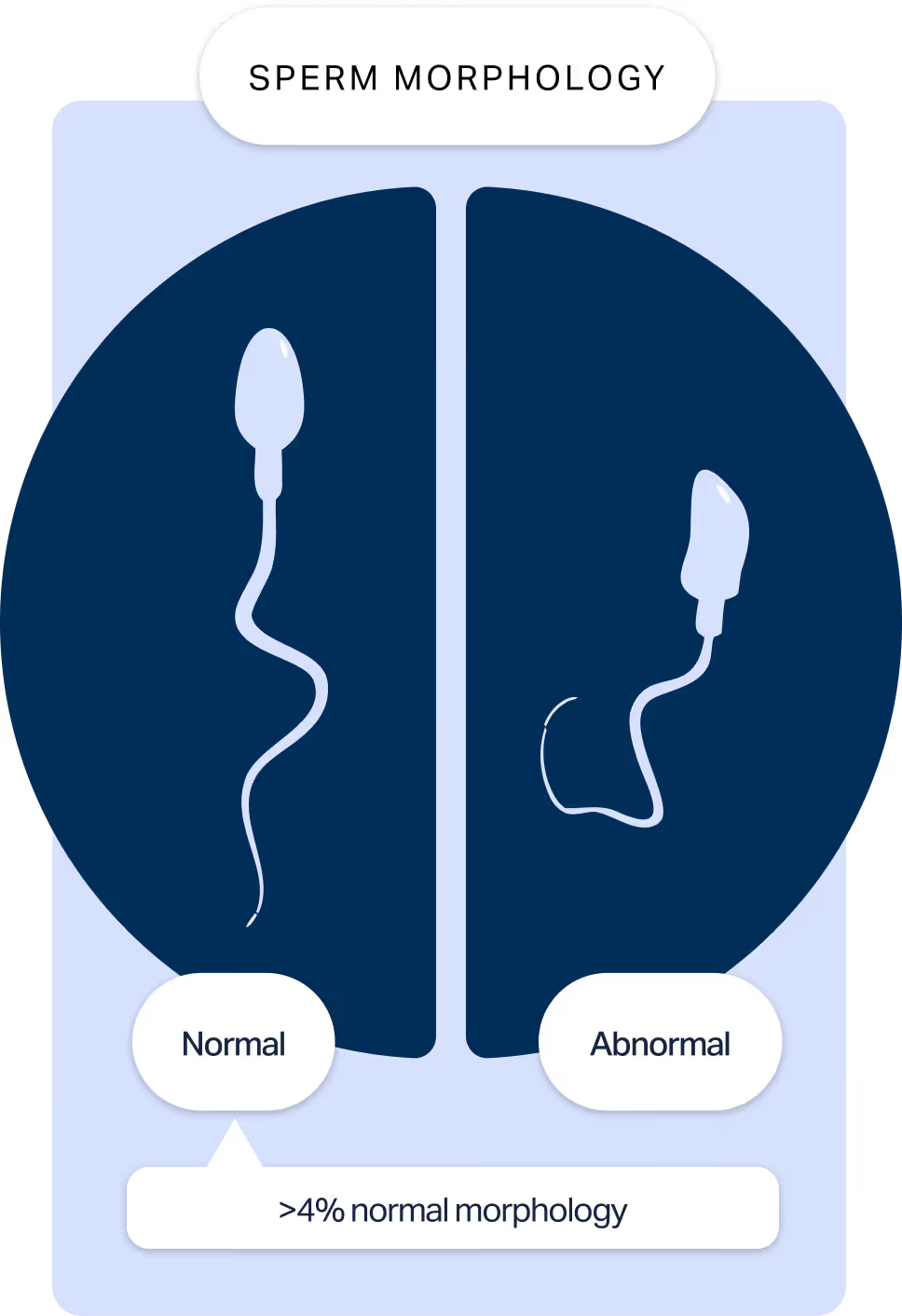
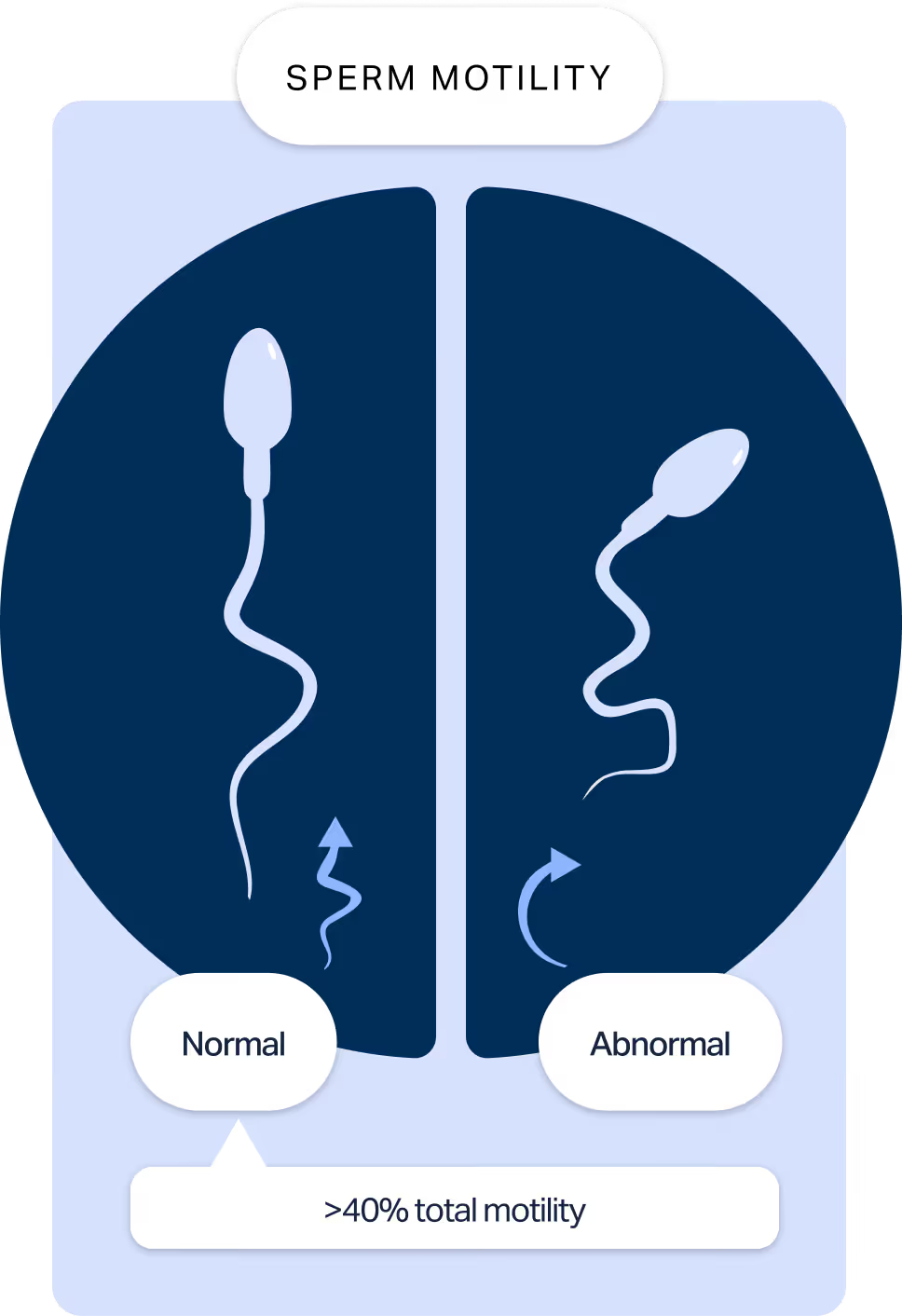
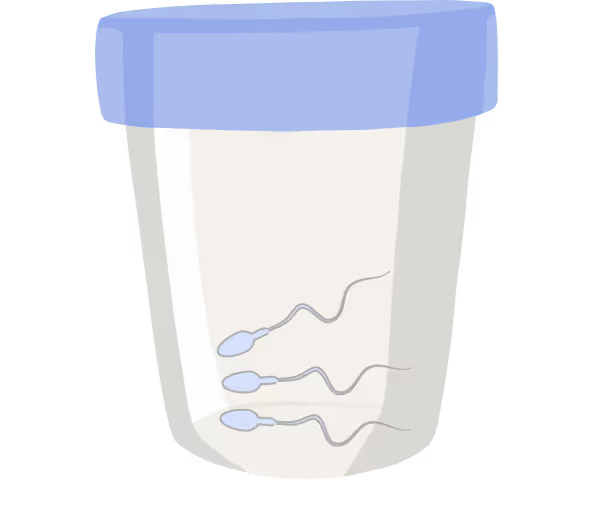
A semen sample is analyzed across three key areas: count (how many sperm are present), morphology (whether the shape and structure are normal), and motility (how many are moving, and how well). Sperm quality naturally varies from sample to sample.
A one-time blood test that's relevant for everyone, regardless of how you're building your family.

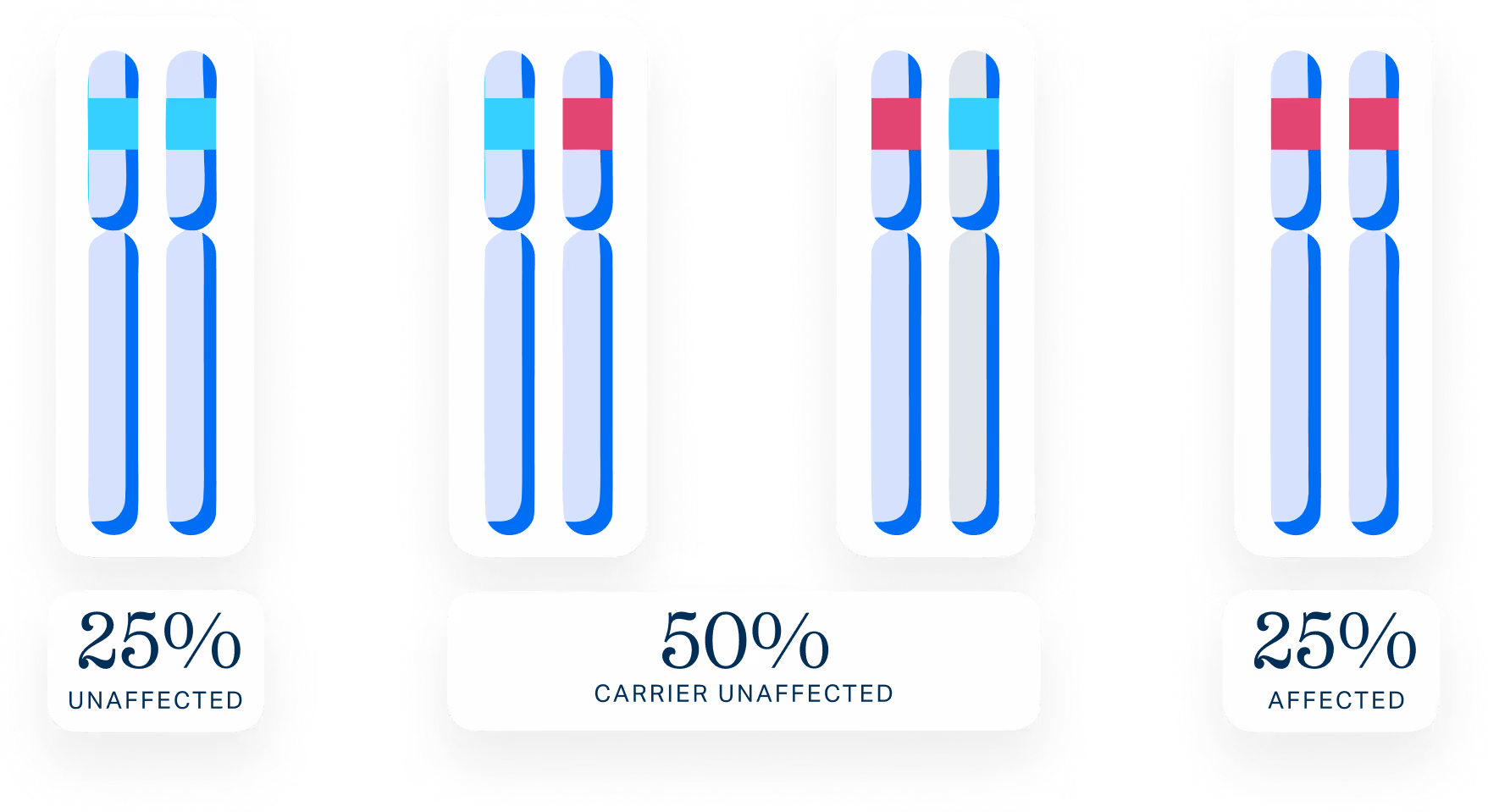
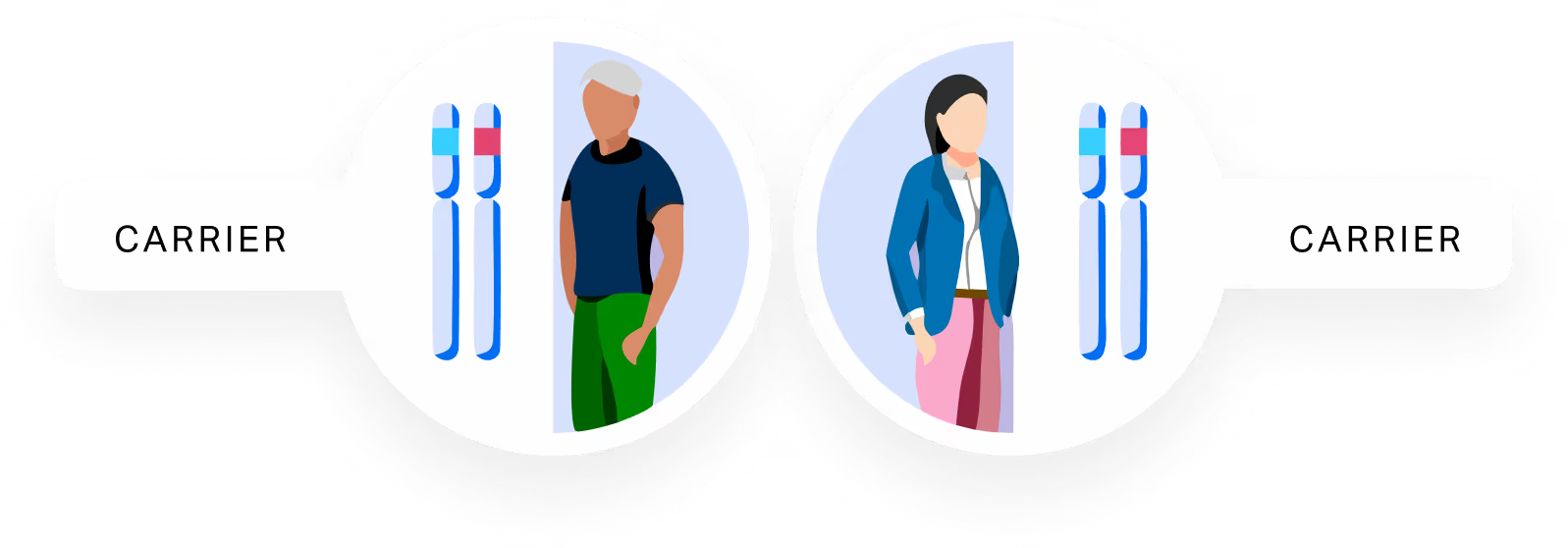
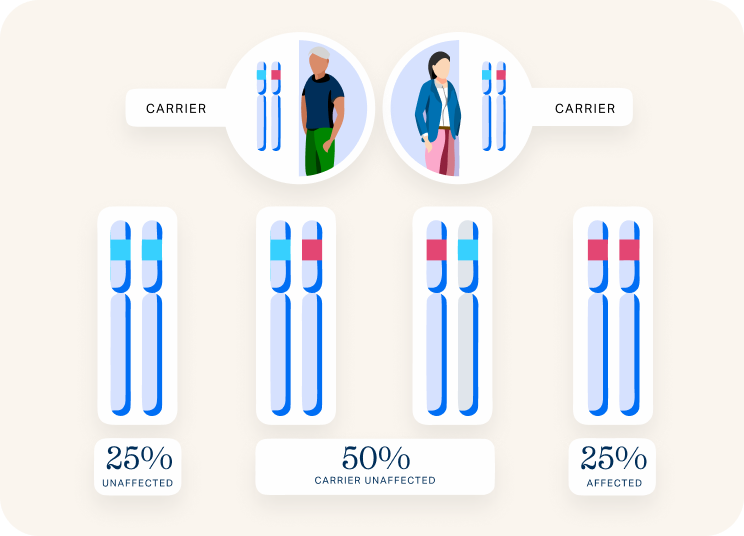
Genetic carrier screening looks at whether you carry variants in genes associated with certain inherited conditions. Carriers are usually completely healthy and have no idea they carry a variant - it's only when egg and sperm that both carry the same variant meet that leads to a chance of passing the condition onto a child.
— Check in —
How are you feeling? Any questions about the tests before we move on to what we can do?

Trying to
Conceive

03
The most advanced treatment option isn't always the right one. Every person who sits here has a different story. These options cover the full spectrum of support - from the simplest approaches to IVF and beyond. If you're here to talk about preserving fertility for the future, skip to module 04.
Also Available
Donor sperm
Donor eggs
Gestational carrier
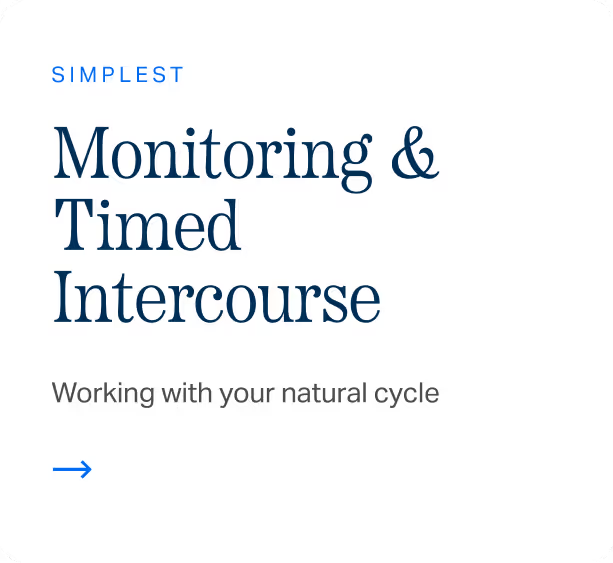
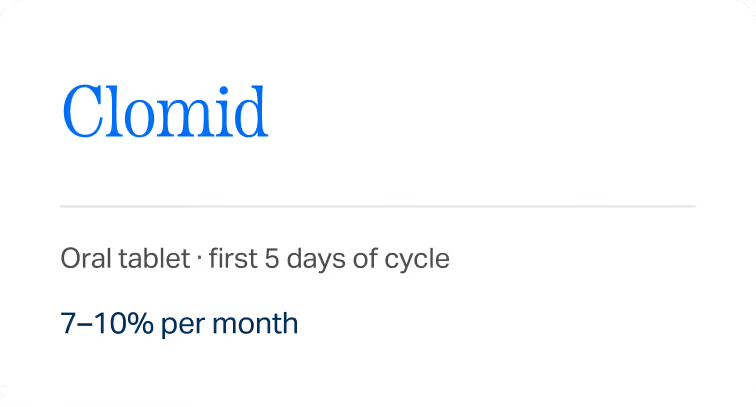
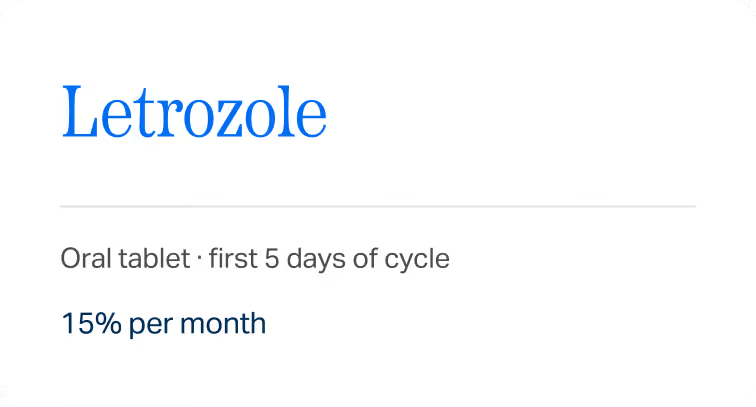
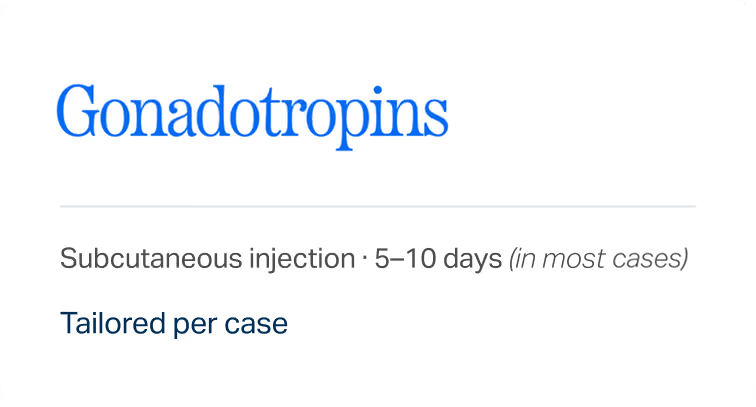
Everything here happens naturally, no laboratory procedures are involved. Ultrasound scans give us a precise picture of when ovulation is most likely to occur, and where the cycle needs a helping hand, medication can be used to encourage follicular development and make ovulation more reliable.
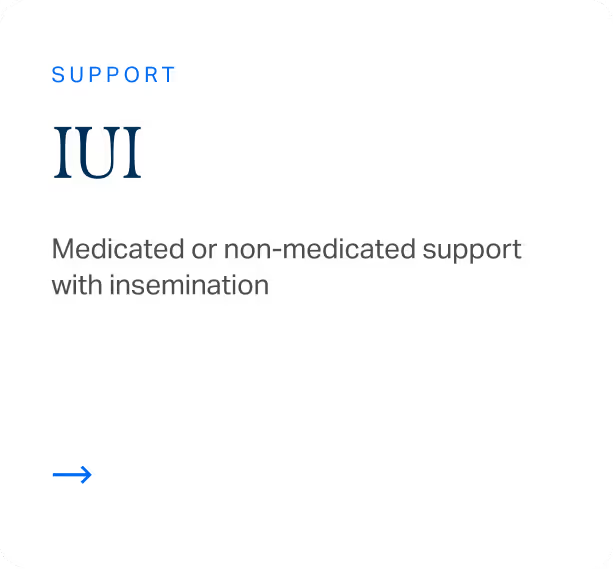
IUl is a straightforward, minimally invasive procedure that gives sperm a head start. Prepared sperm is placed directly into the uterus, much closer to where fertilization takes place. Cycles can be medicated or non-medicated, and we build the approach around what makes most sense for you.
In conjunction with medications
Natural Cycle IUI
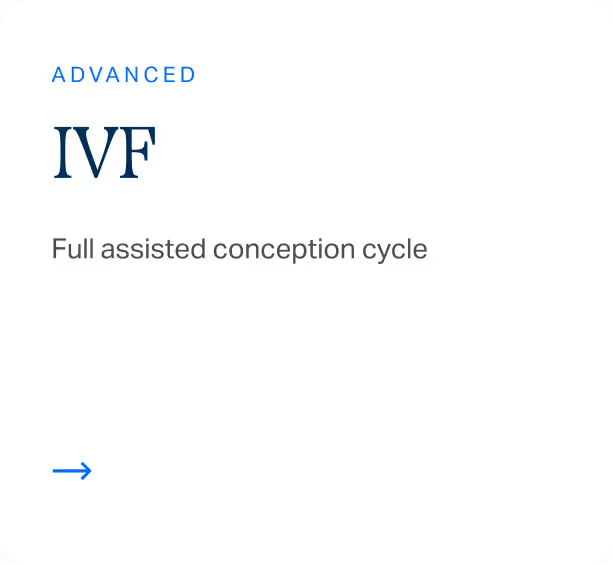
In an unassisted cycle, fertilization happens inside the fallopian tube. IVF moves that step to a laboratory setting where we can observe it, support it, and give the resulting embryo the best possible conditions to develop and result in a healthy pregnancy.
OVULATION STIMULATION & MONITORING
EGG RETRIEVAL
FERTILIZATION
EMBRYO DEVELOPMENT
EMBRYO BIOPSY AND PGT (OPTIONAL)
EMBRYO TRANSFER (FROZEN IF PGT)
PREGNANCY TEST
STEP 01 OF 07

Ovarian Stimulation

The goal is to retrieve several eggs within a cycle. Injectable medication is taken daily to promote follicular growth, and regular monitoring visits are required to monitor your ovarian response.
STEP 02 OF 07

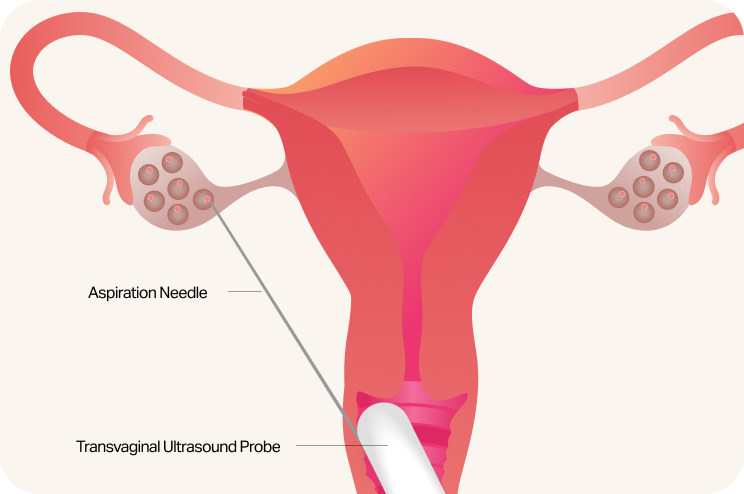
Egg retrieval

A short procedure under sedation to retrieve as many mature eggs as possible. Most people are home within a few hours.
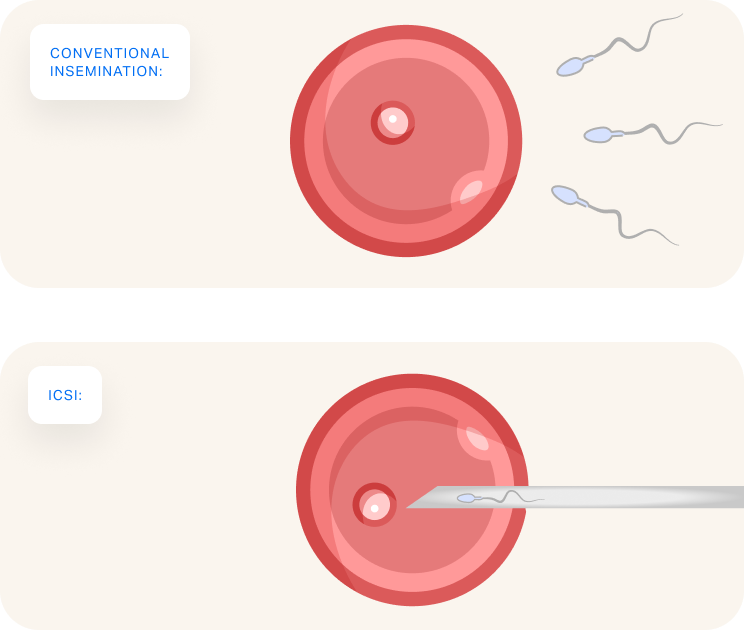
STEP 03 OF 07

Fertilization

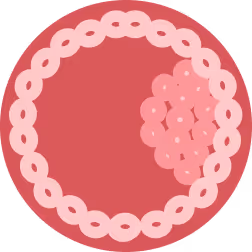
Mature eggs are fertilized in the lab under carefully controlled conditions. As with any biological process, not every egg will fertilize, and not every fertilized egg will develop into a blastocyst. This is a normal part of the process.
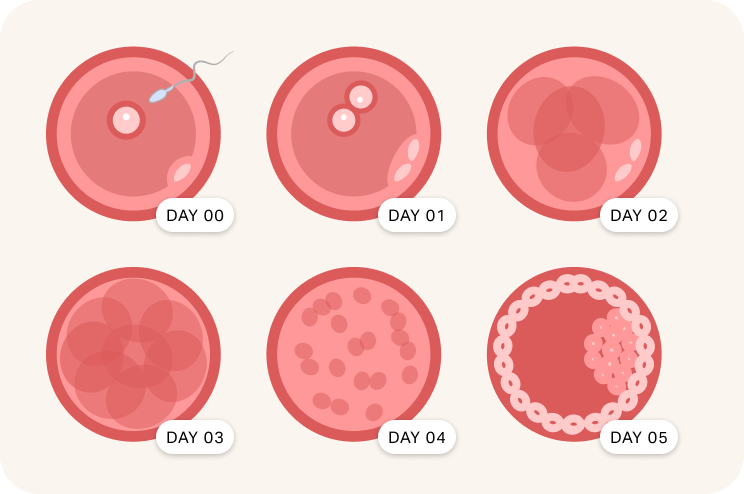
STEP 04 OF 07

Embryo Development

Over the next five to seven days, embryologists closely monitor their development, watching for the signs of healthy, continued growth.
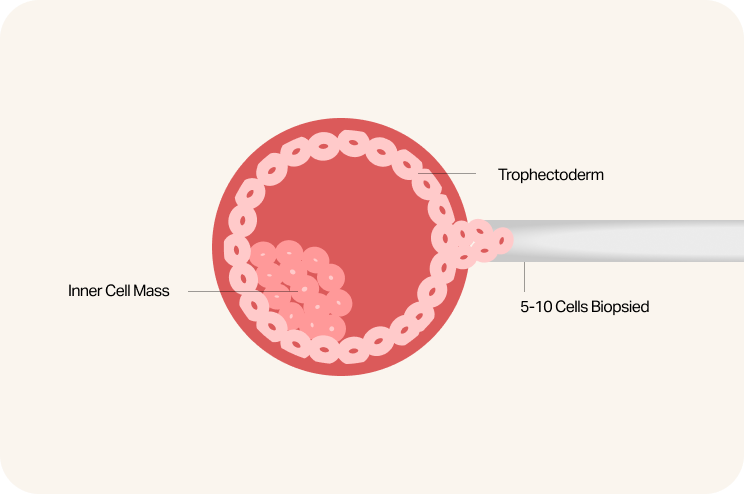
STEP 05 OF 07

Preimplantation genetic testing for aneuploidy (PGT-A)

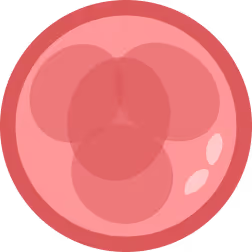
During IVF, embryos are often tested using PGT-A - a genetic test that counts chromosomes. Having the right number of chromosomes (46) gives an embryo the best chance of becoming a healthy pregnancy.

A small biopsy is taken from each embryo and sent for analysis, and results typically come back within 2-3 weeks, during which the embryos remain safely in storage.
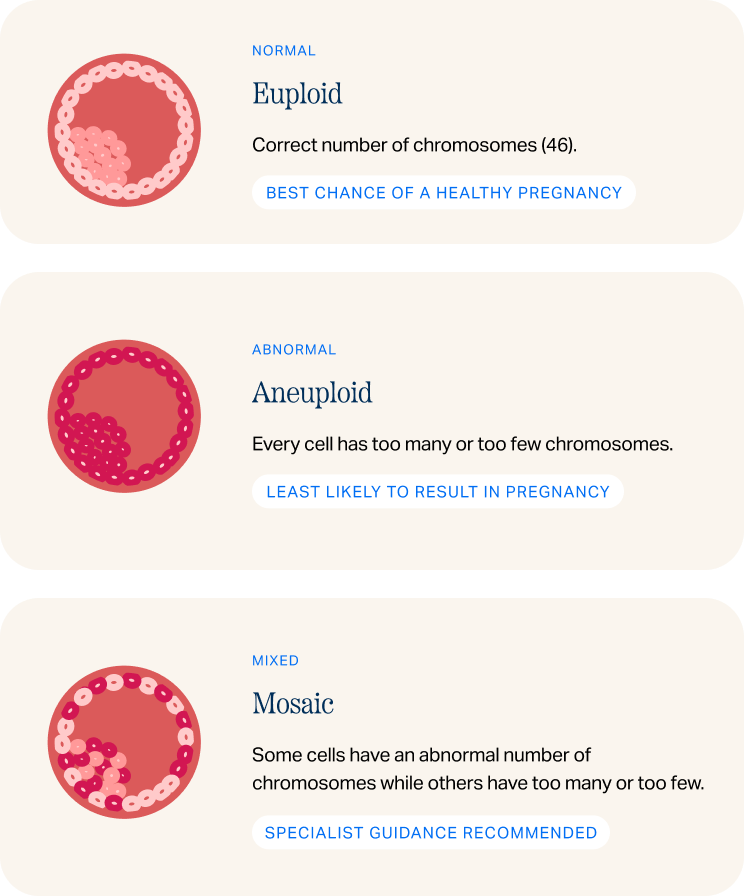
STEP 05 OF 07

Understanding PGT-A Results

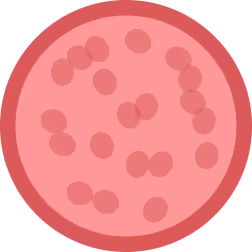
PGT-A can yield three possible results.
STEP 05 OF 07

Preimplantation genetic testing for monogenetIC conditions (PGT-M)

PGT-M is used for people who carry a known genetic condition and want to identify if it is passed onto their embryos.
STEP 06 OF 07

Embryo transfer

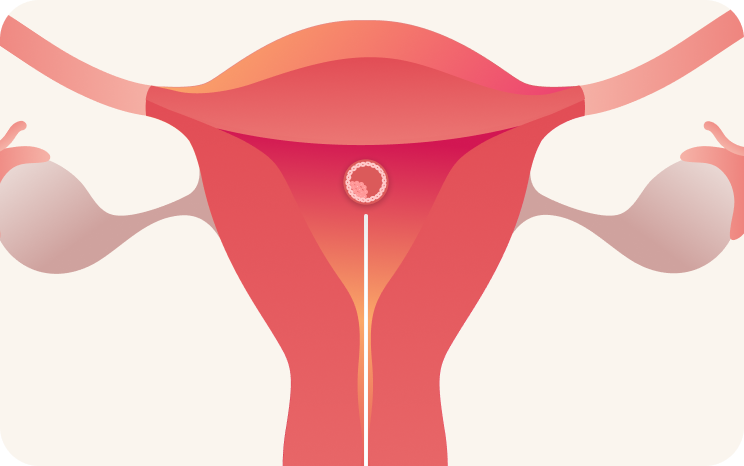
The final step of the process. The embryo is placed into a carefully prepared uterus. Around 10 days after the embryo transfer procedure, a pregnancy test will confirm if the embryo has successfully implanted.

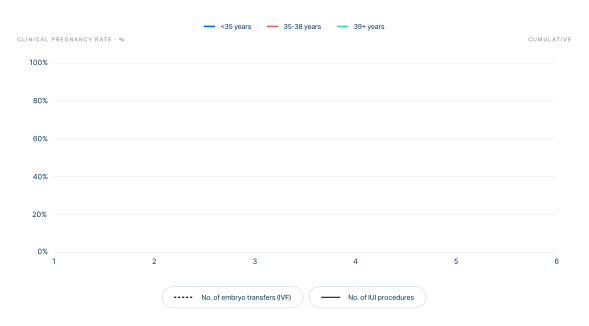
Just like unassisted conception, pregnancy can be attempted once per month, either through IUl or a single embryo transfer via IVF.
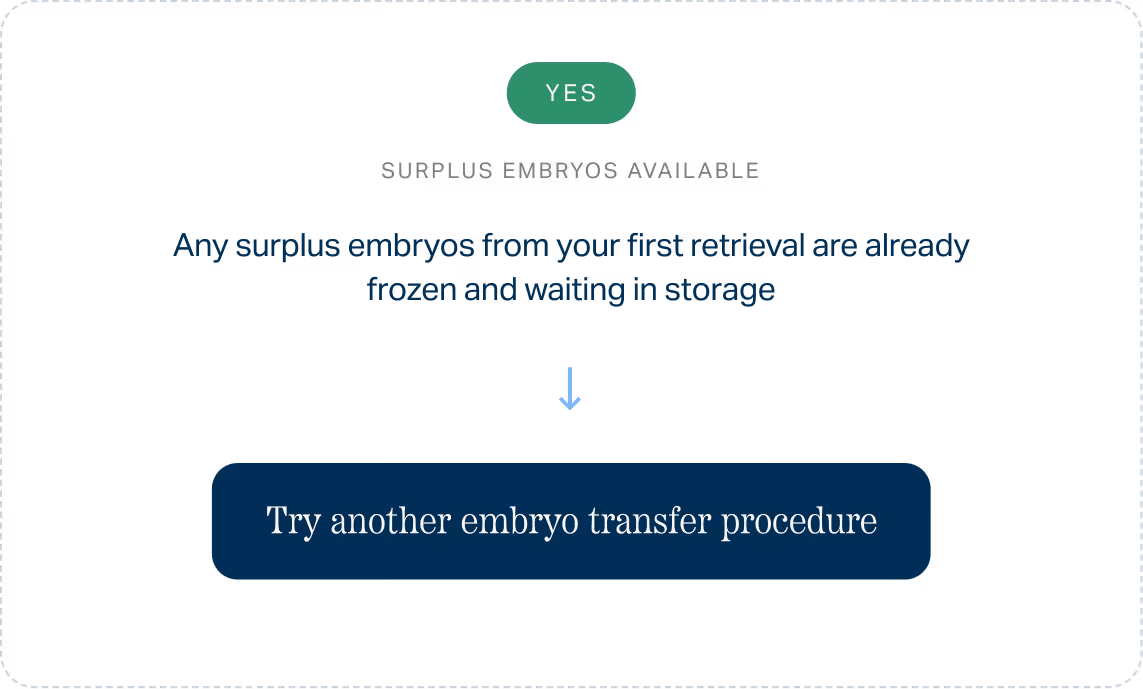
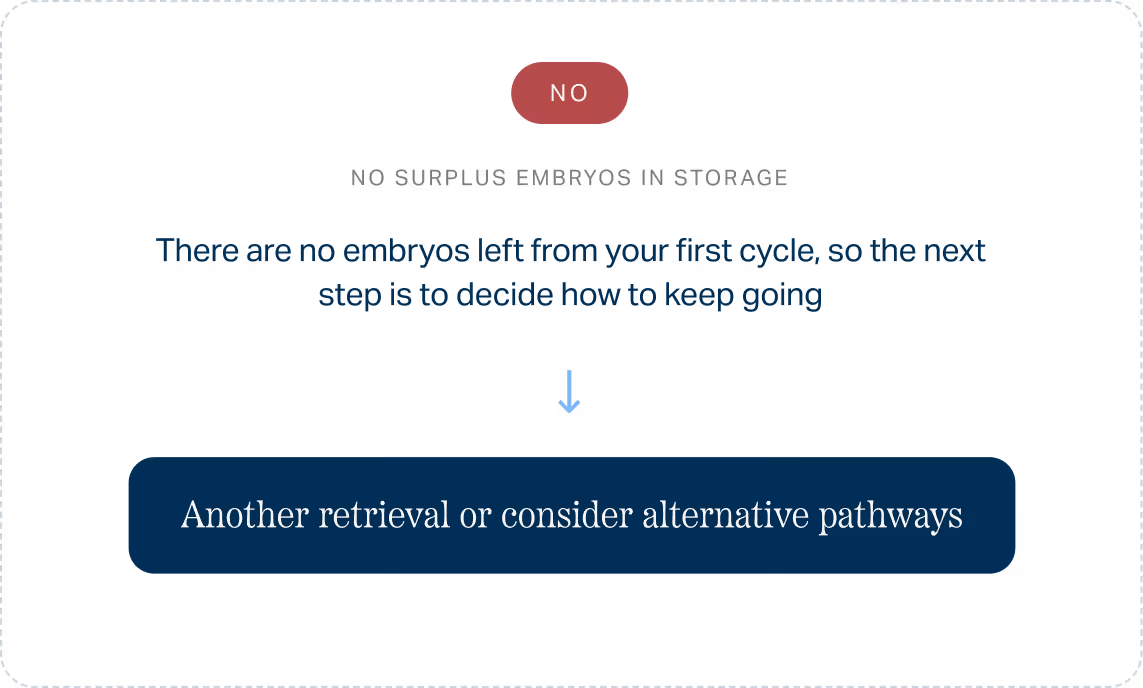
70% of families need more than one attempt to achieve a healthy live birth, so it's important to consider what options are available.
We support all family building pathways that include the use of donor sperm, donor eggs or a gestational carrier.
Same-sex couples
Unpartnered individuals
Severe male or female factor
Recurrent unsuccessful IVF cycles
Presence of genetic conditions
— Check in —
That's the full picture for active conception. Before we talk about what might make sense for you - any questions?

Fertility Preservation

04
Fertility preservation is about keeping options open. Whether it's timing, a medical diagnosis, or simply wanting to plan ahead.
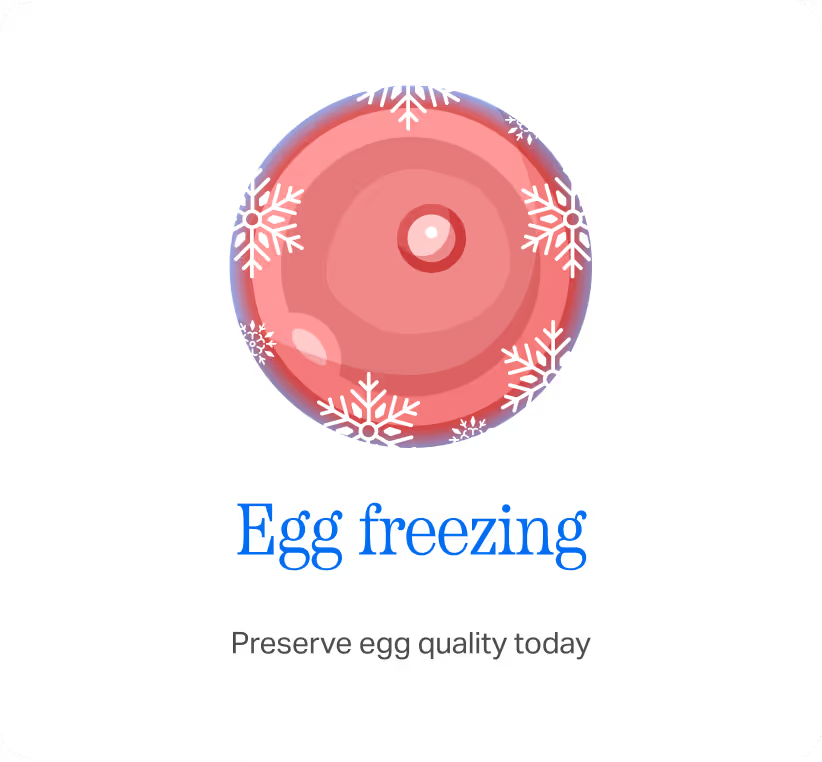
The biological age of the egg is fixed at the moment of freezing, preserving the quality irrespective of how long the material is kept safe in storage.
The number of eggs retrieved depends on ovarian reserve. Testing AMH and antral follicle count gives us a strong indication of what to expect. Generally, around 10 to 15 mature eggs gives a reasonable chance of one future live birth, though this varies significantly by age and individual factors. Individuals may undergo multiple cycles of egg freezing to store as many eggs as possible.

10-15 mature eggs

a reasonable chance of one future live birth
10 eggs frozen
8-9 eggs survive thaw process
2-4 embryos once fertilized
Blastocyst
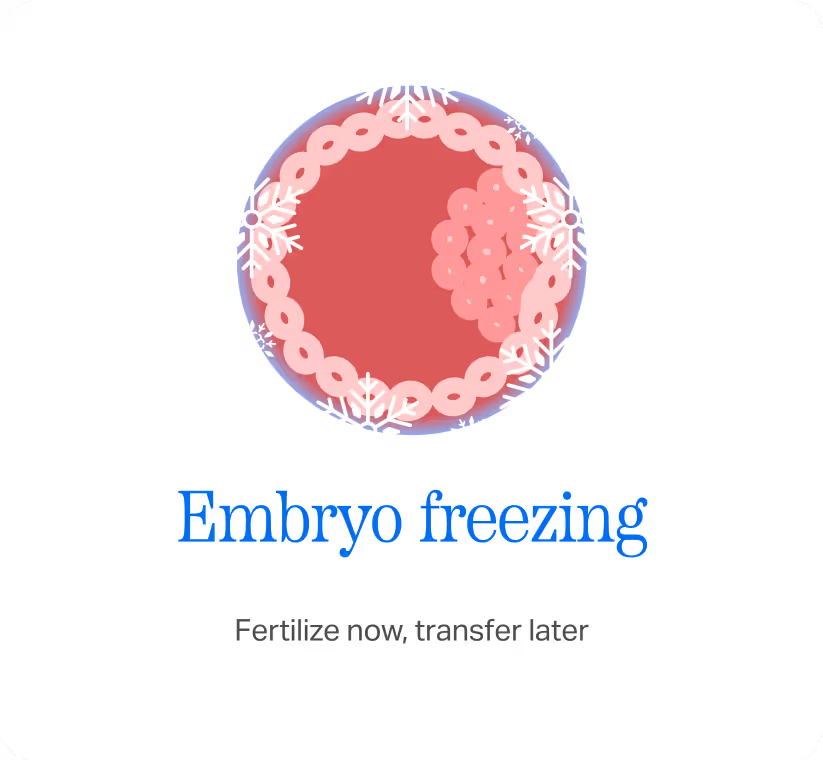
Similar to egg freezing but with an extra step. The eggs are fertilized in the lab under carefully controlled conditions. Over the next five days, embryologists closely monitor their development, watching for the signs of healthy, continued growth. As with any biological process, not every egg will fertilize, and not every fertilized egg will develop into a blastocyst. This is a normal part of the process. Once developed, the embryos will be frozen for when you're ready to use them.
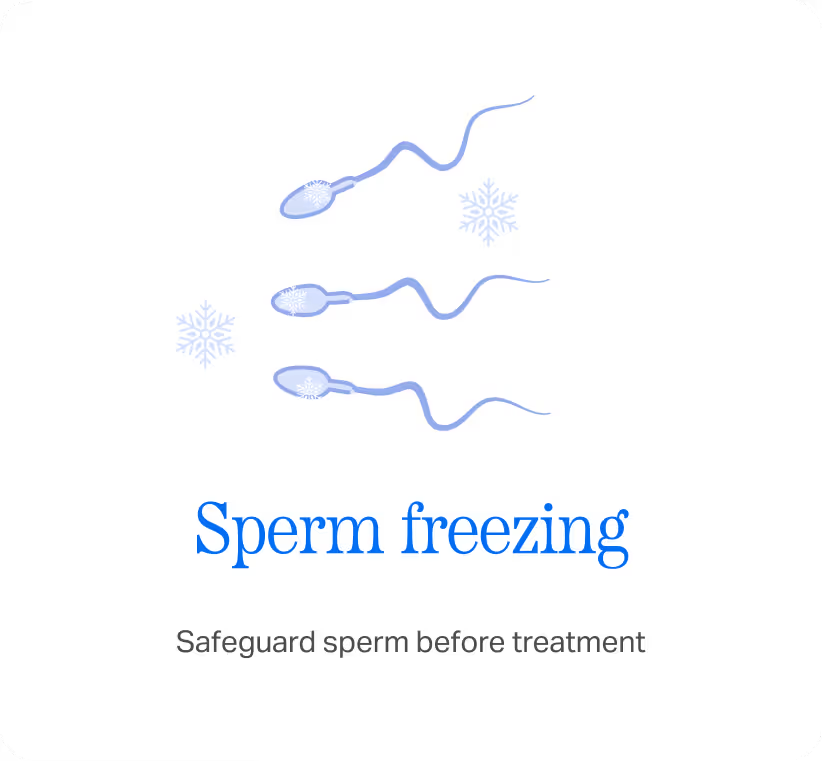
New sperm is produced continuously throughout adulthood - but quality declines with age, with more significant risks emerging from 45 onwards. Sperm freezing is recommended in a number of situations: before cancer treatment or gender-affirming hormone therapy where sperm production may be permanently affected, ahead of a vasectomy or high-risk reproductive surgery, or as a practical backup before IUl or IVF if production may be difficult on the day.
Obtaining the semen sample
Addition of cryoprotectants
Storage in liquid nitrogen at - 196C
— Check in —
Does preservation feel like the right conversation for where you are right now?
Any questions before we move on?

Moving Forward with Confidence

05
For families without insurance coverage, IVIRMA has partnered with Gaia to offer a simpler, more protected way to pay for treatment. Gaia exists to give you clarity on costs, more chances to succeed, and human support throughout the journey.
We're a team - clinical expertise from IVI RMA, financial protection from Gaia Family, and care that meets you wherever you are in your journey.